
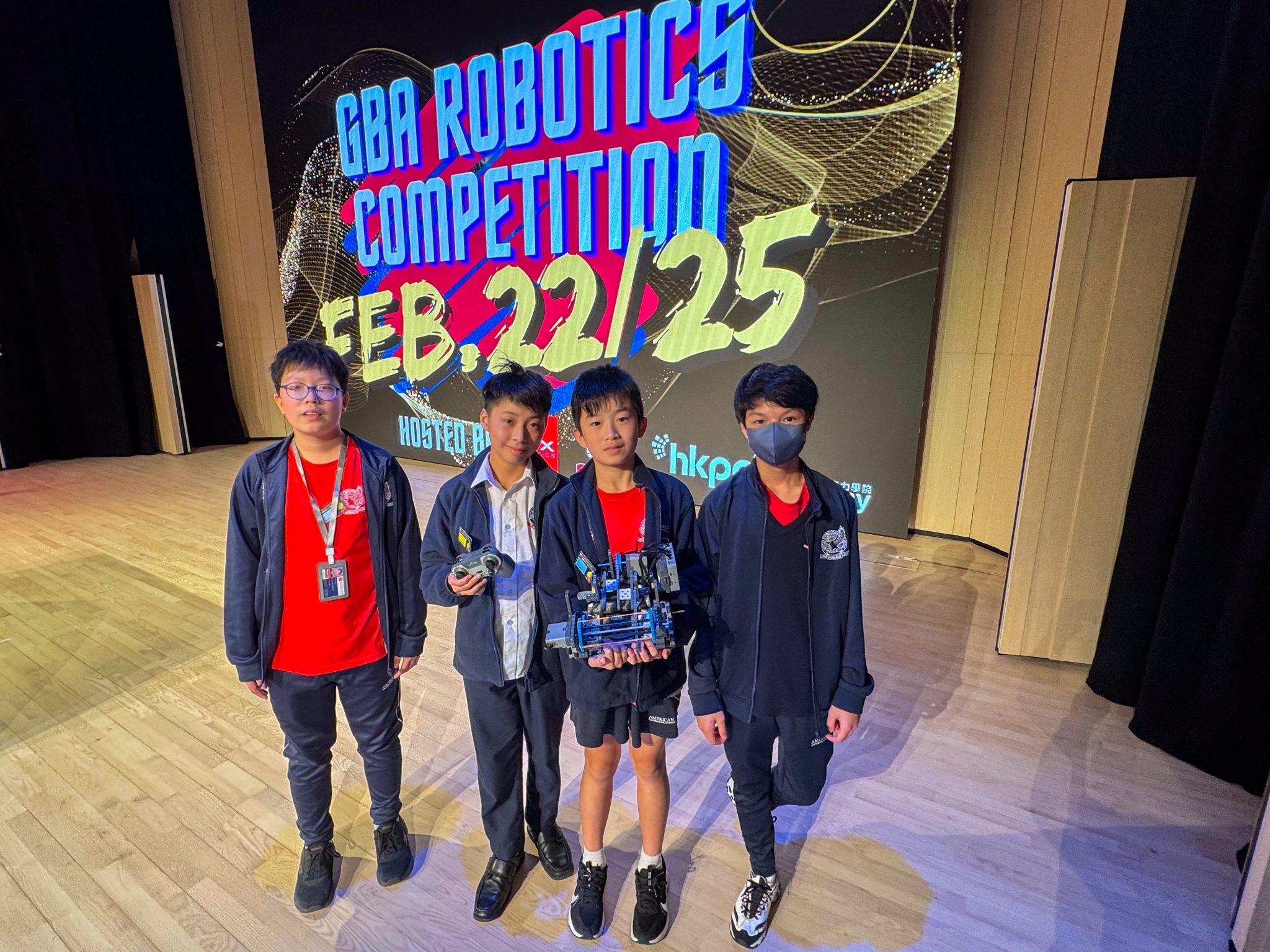
Our AIS Eagles Robotics Team 5253A finished 3rd in the Greater Bay Area Robotics Competition!
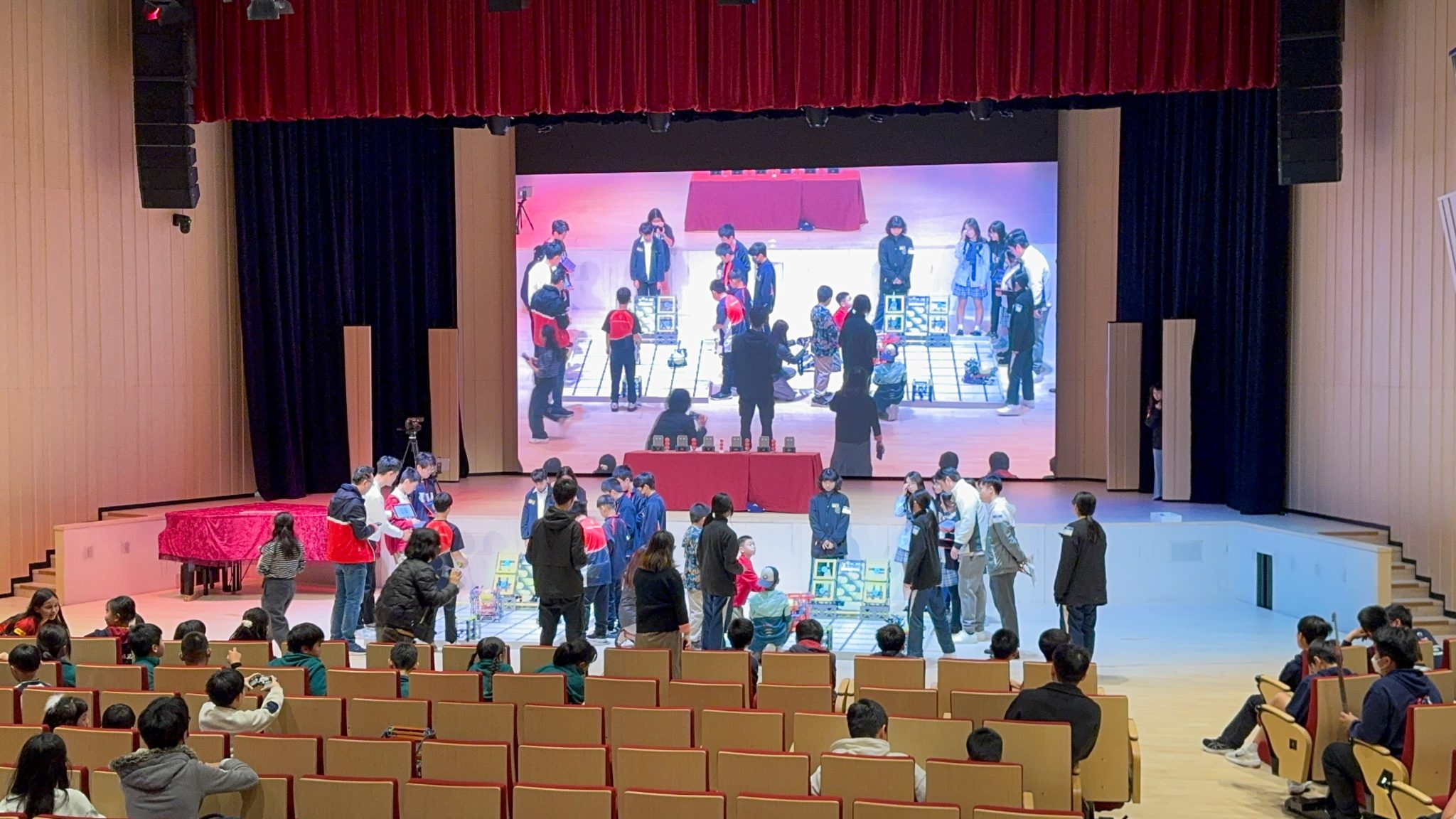
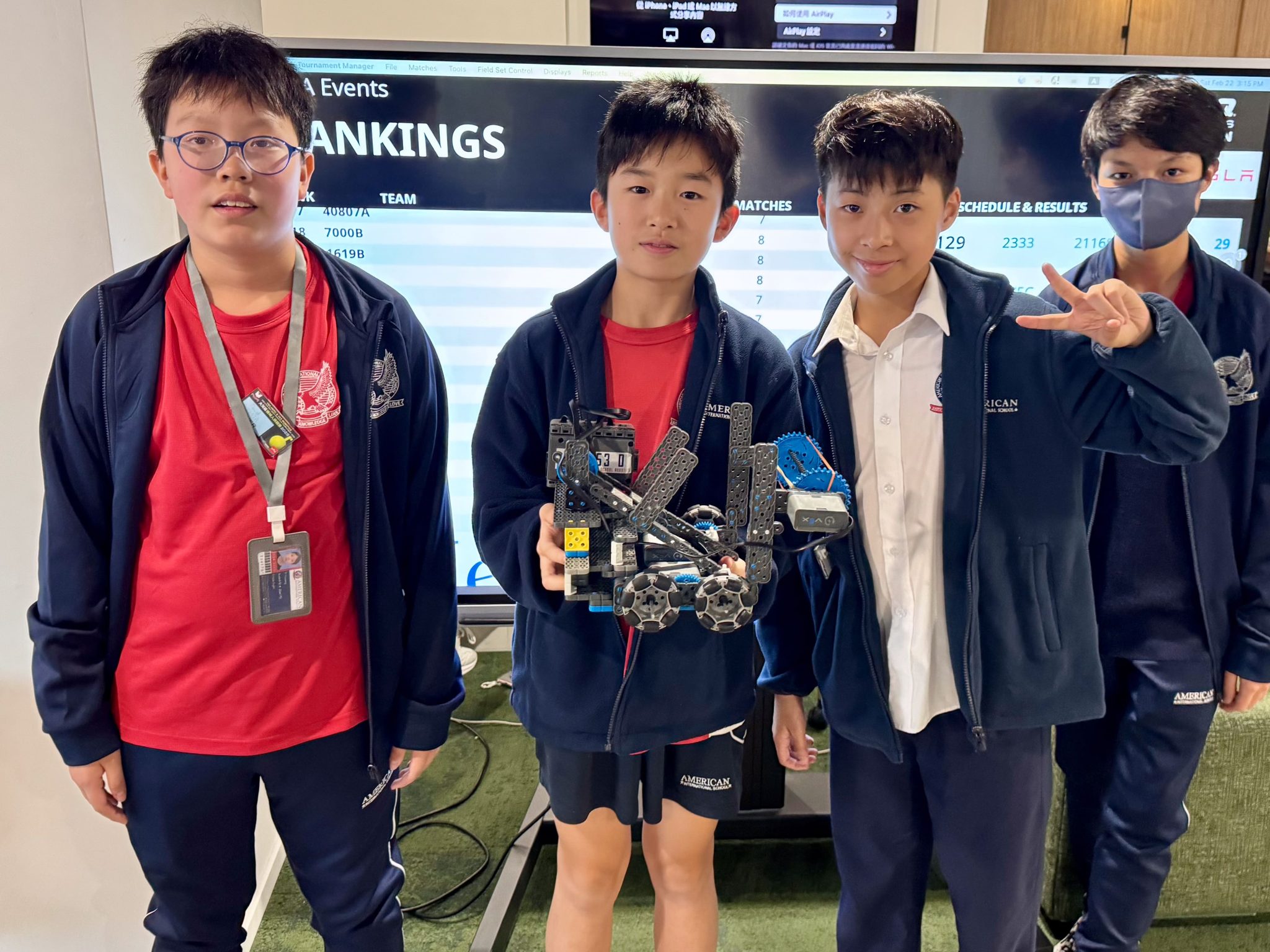
On Friday, March 7th, 2025, the members of AIS Eagles Robotics Team 5253A—David Yi, Kevin Chan, Nicholas Chan, and Runbo Zhao, all in Grade 8—sat down with Learning Activator and Middle School Robotics Coach Mr. Jeremy Green for an interview following their recent success at the Greater Bay Area Robotics Tournament held at Victoria Shanghai Academy on 22 February, 2025. Team 5253A had a spectacular run during the tournament, finishing 3rd overall out of a field of 33 teams from 14 different schools across the region. For reference, 5253 is AIS’s school code for VEX Robotics.
Congratulations on finishing 3rd in the Greater Bay Area Robotics Competition! This comes after finishing second overall in the AIS tournament and taking first place in the AIS driving skills challenge. How does it feel to have made it this far?
Nicholas: I am very proud of my team because I didn’t think we would make it this far. After looking at other teams’ robots, ours was the smallest one there! I am very happy that we were able to achieve this result.
Runbo: Me too! When I look at our robot and our code—especially since our code needed lots of adjustments throughout the season—I feel very proud. We tried our best, things went very well, and we actually made it to the finals in the GBA tournament! We couldn’t believe the smallest robot in the tournament made it that far!
David: I am very proud.
Kevin: I am very happy. Sometimes during practice and even in competition rounds, our robot didn’t always work as we intended. However, by responding quickly to problems and making necessary adjustments, we were able to make it to the finals.
What was the inspiration behind your robot’s design? Did you make any major adjustments throughout the season?
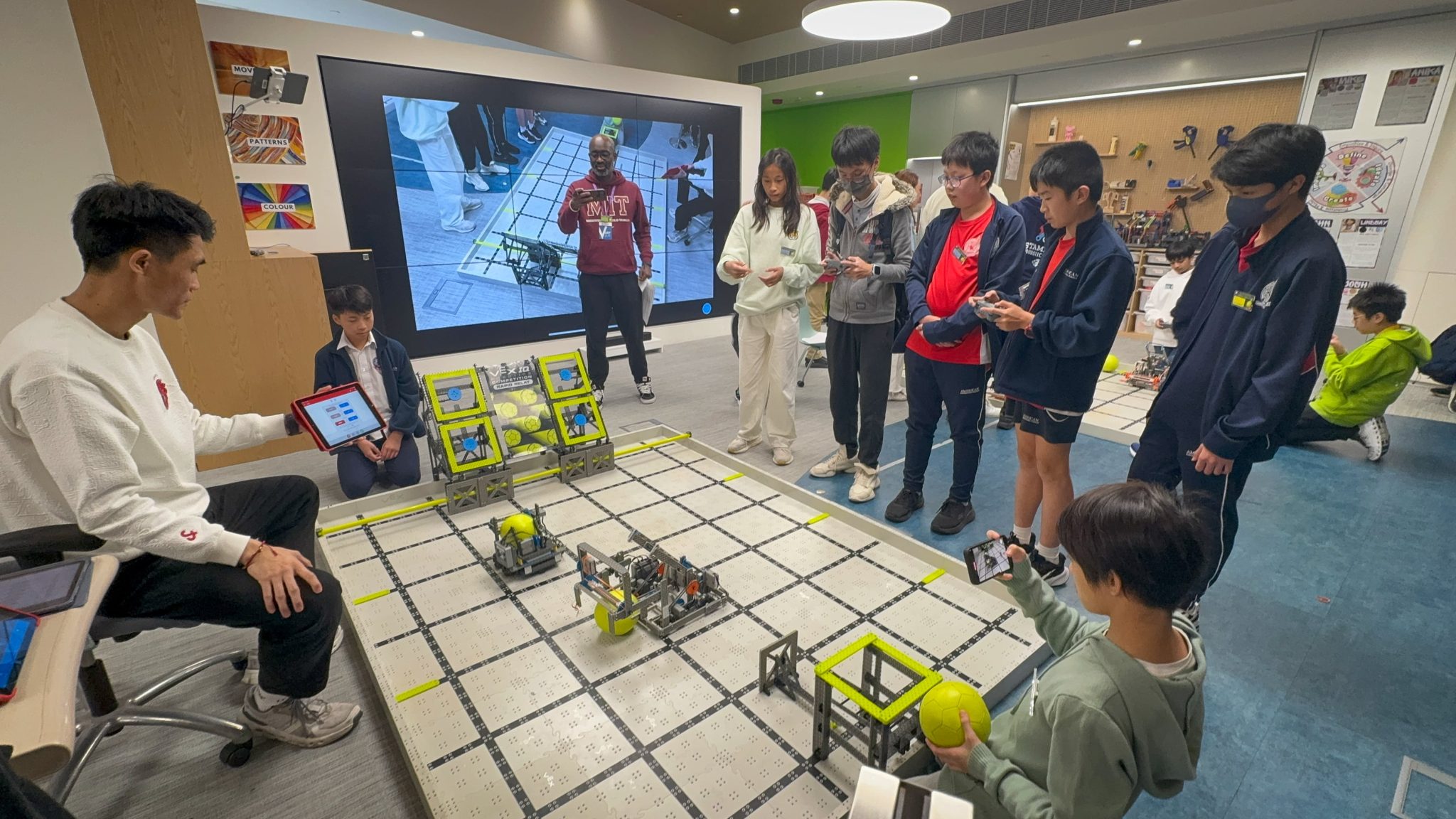
Nicholas: Runbo designed our robot himself. His idea was to build a smaller, faster robot. Our robot’s speed and maneuverability were much better than the larger bots, which used pneumatics kits for their intakes. Instead of throwing the balls into the goal like many other teams, our design allowed for direct placement, making our robot more precise.
The main adjustments throughout the season involved reinforcing weaker joints and refining the arm mechanism to move more freely when placing balls in the goal.
Runbo: The build was entirely my design, which gave me confidence because I knew how to fix it if something broke. The biggest adjustments were with the code—we had to keep revising it to make everything smoother and more responsive.
Can you tell us about your specific roles on the team? How did you divide responsibilities, and how did teamwork play a role in your success?
Runbo: I was the designer, builder, and driver.
Nicholas: I helped write some of the code and contributed to design ideas for the build. I was also responsible for strategizing with our alliance teams before each round.
David: I was the main coder. It took about a month to develop the base code for our bot.
Kevin: I helped with strategy and organization on tournament days.
“Teamwork and communication are essential. We saw teams that got frustrated when things went wrong, which only made their problems worse. When we faced setbacks, we discussed solutions and focused on improving in the next round.”
— Nicholas Chan
Did you have any experience with robotics before joining VEX at AIS?
Runbo: I had experience building with LEGO kits, which helped me understand some basic robot design principles.
David: This was my first time doing robotics, and learning to code for VEX was a new challenge.
Kevin: This was also my first time, and I’m very thankful for Runbo’s leadership.
Nicholas: This was my first time as well. The biggest challenge was understanding the code and troubleshooting issues. The building process felt more intuitive.
How did you feel at the start of the GBA competition? Did those feelings change as the day went on? What were the biggest highs and lows of the event?
Runbo: At first, we thought we wouldn’t do well because our robot was much smaller than the others. However, once the matches started, we realized that many of the larger, more complex robots weren’t necessarily more effective. That gave us confidence.
Nicholas: Every single robot was bigger than ours! But as the day went on, we noticed that some teams had issues with mechanical failures due to their complex designs. We were happy that our reinforcements had paid off, making our bot stable and reliable.
What was the most valuable lesson you learned during the competition? Was there anything unexpected that challenged you?
Runbo: Never give up! At the start, we had balance issues that made our robot less effective. We adjusted by adding weight to the base, which slowed it down slightly but made it much more stable.
Nicholas: Teamwork and communication are essential. We saw teams that got frustrated when things went wrong, which only made their problems worse. When we faced setbacks, we discussed solutions and focused on improving in the next round.
VEX uses a unique format where teams must collaborate with another school instead of just competing against them. How do you feel about that aspect of the competition?
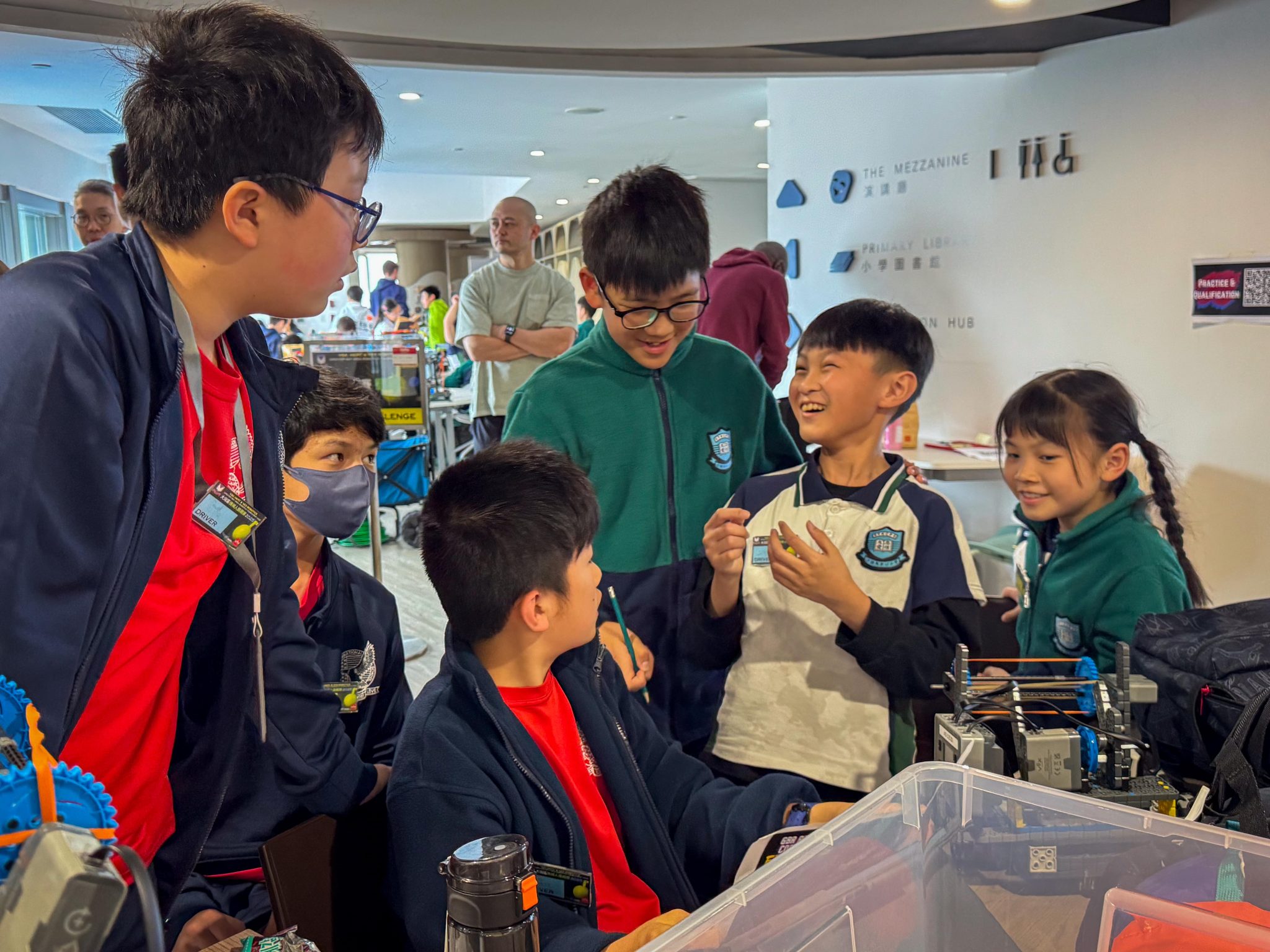
Nicholas: The format is great because it requires strategy discussions with other teams. We analyze each bot’s strengths and decide on the best roles for each team in a match.
Runbo: I agree. Collaboration makes the game more enjoyable. If we didn’t work with other teams, the competition would be very different, and it would change how we design our bot.
Kevin: Nicholas and I act as the team diplomats. We make sure we communicate effectively with other teams before each match.
Looking ahead to next year, what are some things you want to improve or do differently as a team?
Runbo: We need to improve our coding skills. If we create a more complex design, we’ll need stronger programming to support it.
Nicholas: Our robot design was strong this season, but we need to refine it further to improve scoring efficiency. If we aim for VEX Worlds in the USA, we’ll need to rethink some of our approaches.
What advice would you give to students interested in joining the robotics team but who might be nervous about getting started?
Nicholas: Just give it a try! It’s not as complicated as it seems. We take it step by step, and experienced students are always willing to help.
Runbo: Robotics can be competitive, but good teamwork and planning make it easier. It’s important to have a design, test it, and keep refining it.
What was your favorite moment from the competition?
Runbo: Scoring a season-high 97 points in a single round when paired with another high-ranking team!
Nicholas: That match put us in the top six, and we stayed there for the rest of the event. We knew we had to stay consistent to make the finals, so we worked hard to maintain our performance.
Does robotics align with your future plans? Do you plan to go into a computer science, engineering, or design-related field?
Nicholas: Robotics has sparked my interest in coding. I think I’ll study computer science.
Runbo: I love VEX Robotics, and I hope to pursue a career in engineering and robotics. Designing, building, and coding something that works is an amazing feeling.
David: I plan to study computer science. Coding for robotics has been a fascinating experience.
Kevin: I’ll probably study computer science in high school. It’s really interesting.
Congratulations again to Team 5253A on an incredible season! We look forward to seeing what you accomplish next year.